

PVC fabric is widely used across various industries, including outdoor structures, transportation, architecture, medical products, and industrial protective covers. Known for its durability, waterproof performance, and cost efficiency, PVC-coated fabric remains a dominant coated textile solution. However, growing environmental awareness has intensified scrutiny of its sustainability profile, particularly regarding recyclability.
Understanding whether PVC fabric can truly align with sustainable manufacturing goals requires a closer examination of its production, recycling feasibility, and ongoing industry improvements.
Why Sustainability of PVC Fabric Matters
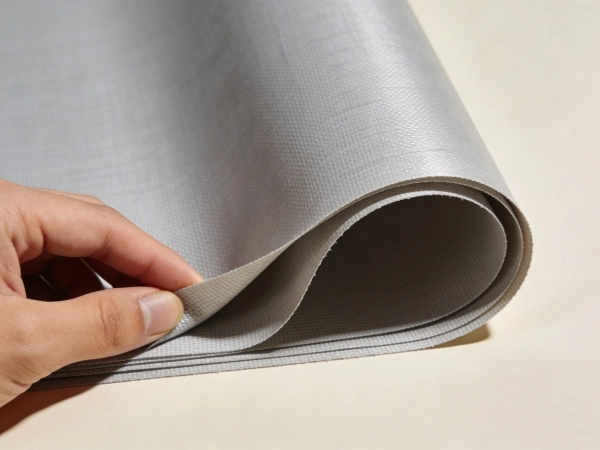
The sustainability of PVC fabric has become a critical topic as global industries move toward circular economy models and stricter environmental regulations. PVC-coated fabrics are valued for their long service life, which can reduce material replacement frequency and overall resource consumption. However, concerns arise from the use of fossil-based raw materials, additives, and complex composite structures.
For buyers, sustainability is no longer limited to product durability. It now encompasses lifecycle impact, recyclability, regulatory compliance, and environmental responsibility. As PVC fabric continues to serve demanding applications, evaluating its sustainability helps balance performance requirements with long-term environmental considerations.
Environmental Impact of PVC Fabric Production
PVC fabric production involves coating a base textile—commonly polyester—with polyvinyl chloride resin. This process delivers excellent mechanical strength, weather resistance, and flame retardancy, but it also contributes to environmental impact.
Key environmental factors include:
Raw materials: PVC resin is derived from ethylene and chlorine, with ethylene typically sourced from petrochemicals.
Energy consumption: Calendering and coating processes require significant thermal energy.
Additives: Plasticizers, stabilizers, and pigments influence flexibility and performance but can affect recyclability and environmental safety if poorly selected.
Modern manufacturers are addressing these issues by adopting low-toxicity stabilizers, phthalate-free plasticizers, and cleaner production processes. While PVC fabric production has a measurable environmental footprint, advancements in formulation and process efficiency are gradually reducing its impact.
Is PVC Fabric Recyclable in Practice?
From a technical standpoint, PVC fabric is recyclable, but recyclability in practice depends on several conditions. Pure PVC materials are well suited for recycling; however, PVC-coated fabrics are composite products, combining PVC layers with textile substrates and additives.
Mechanical recycling is the most common approach. PVC fabric waste can be shredded, separated where possible, and reprocessed into secondary materials such as mats, protective sheets, or industrial flooring. Chemical recycling technologies exist but are less widely applied due to higher costs and technical complexity.
Therefore, PVC fabric is best described as conditionally recyclable. Successful recycling depends on material purity, coating composition, and access to specialized recycling infrastructure.
Key Challenges in Recycling PVC-Coated Fabrics
Recycling PVC-coated fabric presents unique challenges that limit large-scale adoption:
Multi-layer structure: The bonding of PVC coating to polyester fabric complicates material separation.
Additive variability: Different plasticizers and stabilizers affect melt behavior and recycled material quality.
Contamination risks: Inconsistent waste streams reduce recycling efficiency.
Limited collection systems: Industrial PVC fabric recycling is not universally available.
Despite these obstacles, controlled recycling programs—particularly for post-industrial PVC fabric waste—have demonstrated viable recycling pathways. Design-for-recycling principles are increasingly influencing product development.
How the PVC Fabric Industry Is Improving Sustainability
The PVC fabric industry is actively investing in sustainability improvements. Key initiatives include:
Recyclable PVC formulations optimized for secondary processing
Bio-based and low-impact plasticizers to reduce environmental concerns
Extended product lifespan, minimizing waste generation
Closed-loop recycling programs for manufacturing scrap
Compliance with international standards such as REACH and RoHS
Some manufacturers now offer PVC fabrics with documented recycled content or designed specifically for easier recycling. These efforts reflect a shift from linear production models toward more circular material management.
What to Consider When Choosing Sustainable PVC Fabric
For buyers seeking sustainable PVC fabric, informed evaluation is essential. Key considerations include:
Recyclability claims backed by data or certifications
Use of environmentally safer additives
Durability and lifespan, which directly influence sustainability
Supplier transparency and environmental compliance
End-of-life options, including take-back or recycling programs
PVC fabric remains a high-performance material, and when responsibly produced and managed, it can support sustainability goals in demanding applications. Choosing the right formulation and supplier significantly enhances its environmental profile.
PVC fabric sustainability is not a simple yes-or-no question. While PVC-coated fabrics present recycling challenges due to their composite nature, they are technically recyclable under suitable conditions. Continuous innovation in formulations, recycling technologies, and responsible manufacturing practices is steadily improving the environmental performance of PVC fabric. When evaluated across its full lifecycle, PVC fabric can remain a viable and increasingly sustainable solution for many industries.


